
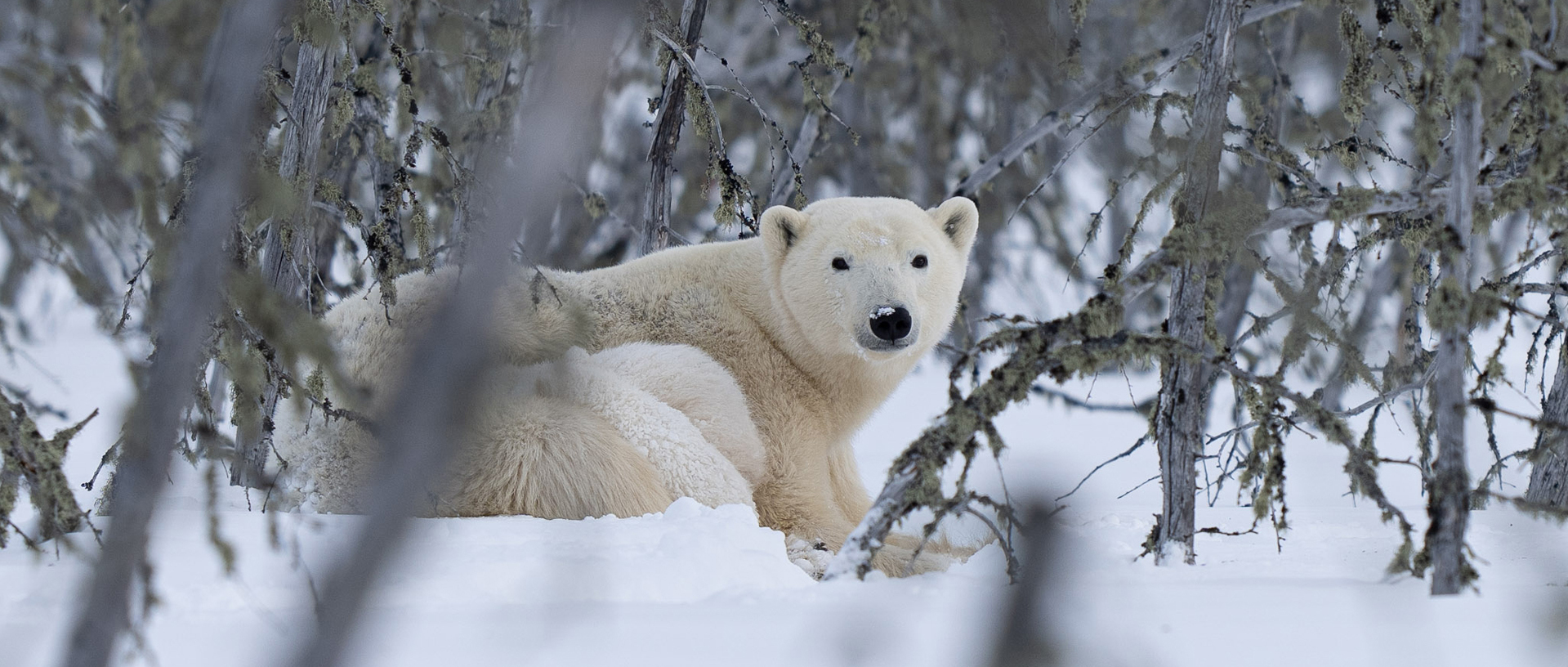

International Polar Bear Week has arrived, and we have much to celebrate with the Kings of the Arctic.
We’re sold out for 2026 thanks to the many polar bears who have graced us with their presence year after year, and only a few spots remain for 2027, as guests continue to carry the Churchill Wild story, and the polar bears’ stories, to audiences around the world.
This year’s season also brought an unforgettable highlight: Scarbrow’s return to both Dymond Lake Ecolodge and Seal River Heritage Lodge, marking his 18th appearance at our properties over the past 19 years. Now estimated at around 22 years old, this legendary male continues to captivate guests and embody everything we love about these resilient animals.
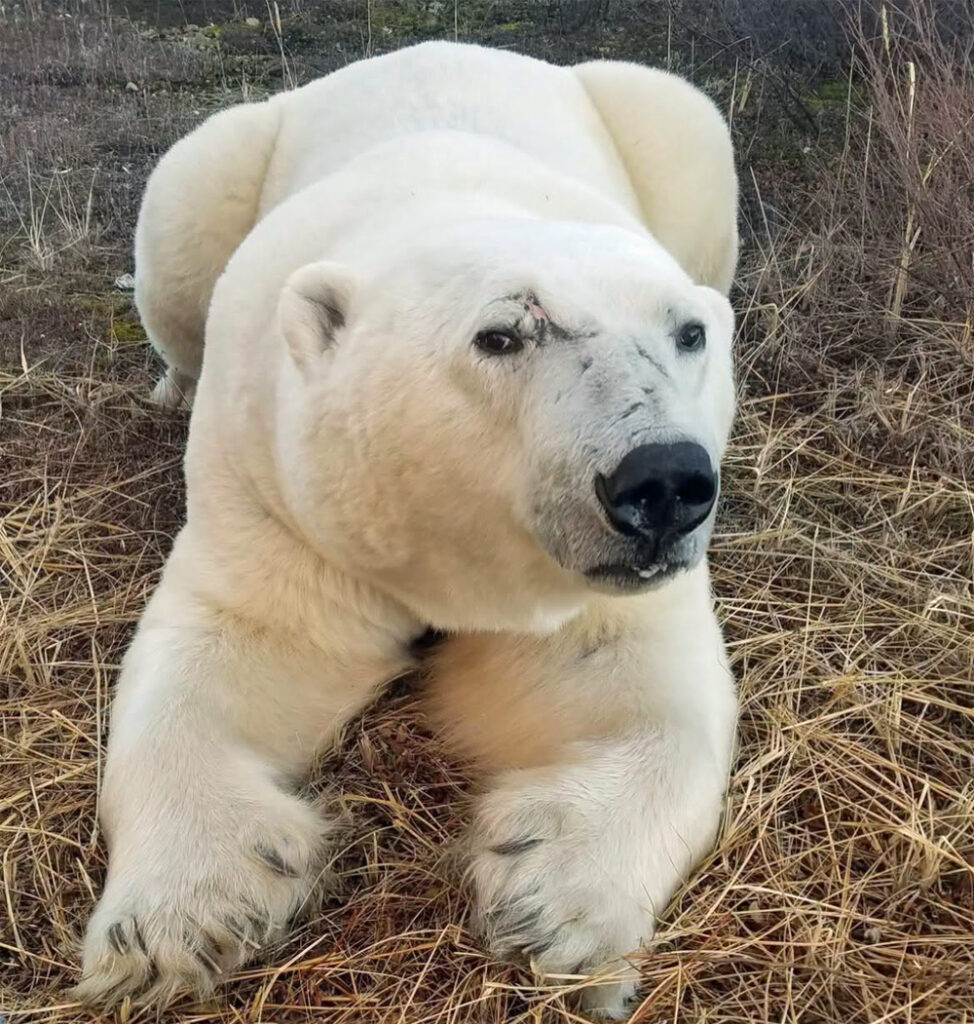
Running from November 1-7 this year, Polar Bear Week brings renewed focus to these magnificent predators and the rapidly transforming Arctic landscape they inhabit. It’s a time to celebrate bears like Scarbrow while supporting the critical work being done to protect their future.
Around the globe, people commit themselves to environmental action during this week, cutting back on energy use, choosing sustainable practices, and spreading understanding about our warming planet’s effect on polar bear populations. The political conversation around climate has intensified, and that heightened awareness serves these animals well.

From reducing thermostat settings to embracing energy-efficient technology, from carpooling to the simple disciplines of reducing, reusing, and recycling, individuals everywhere are taking meaningful steps. We’ve built our northern ecolodges on these same principles for more than three decades.
Another meaningful way to contribute is through supporting conservation efforts across the Arctic. Polar Bears International leads crucial coexistence programs and research initiatives that directly benefit these animals and their habitat. Learn more about their work and contribute at their Polar Bear Week page.
Polar Bear Week does something powerful. It transforms observers into advocates, creating conservationists where once there were only curious onlookers. The scientific evidence is unambiguous: warming temperatures have dramatically diminished Arctic sea ice cover.
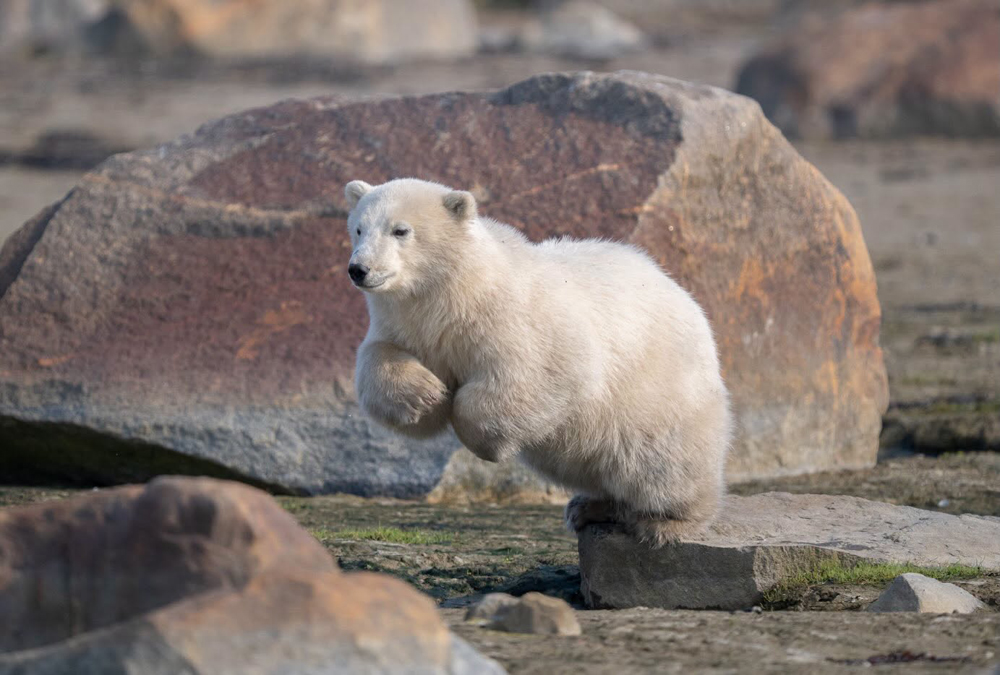
The consequences ripple outward. Open water persists longer into fall and returns earlier each spring, stealing precious hunting time from bears that depend on ice platforms to reach seals, their primary prey. Beyond feeding, polar bears require sea ice for their entire way of life, for traversing vast distances, for social interactions, for locating breeding partners.
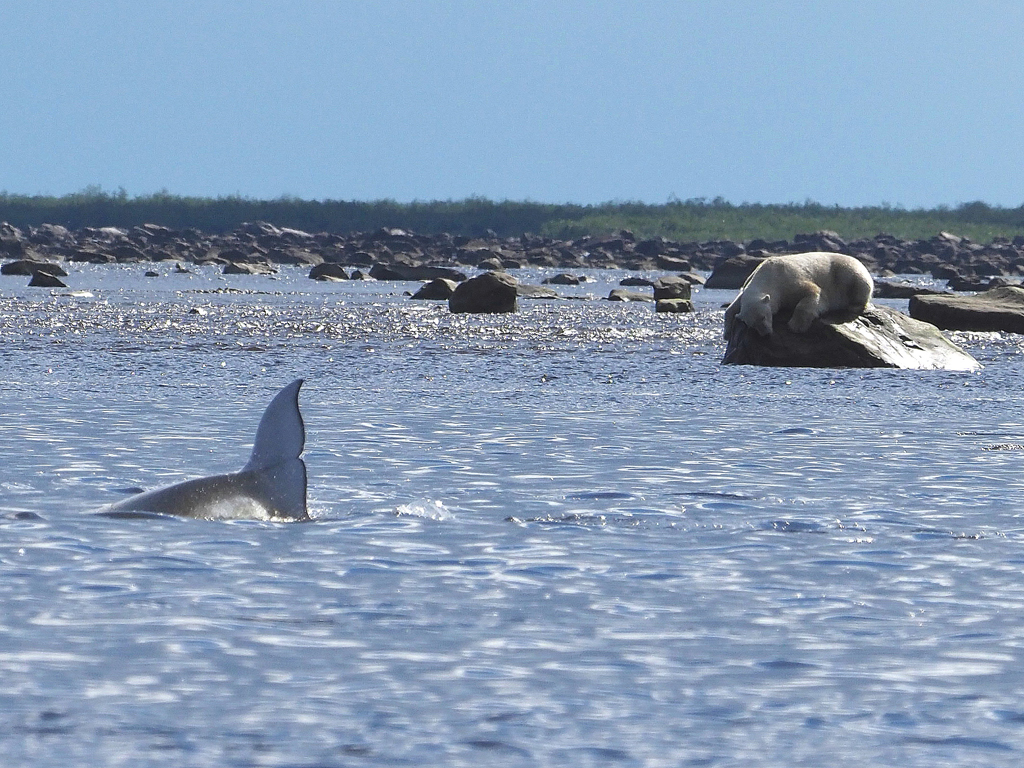
Our five decades along this coastline have shown us both sides of change. We’ve witnessed freeze-ups arriving weeks ahead of schedule and others dragging weeks behind. The Qamanirjuaq caribou have shifted their ancient migration routes. Polar bears have taken to pursuing beluga whales through summer waters. What we’re seeing is adaptation in real time, wildlife responding to habitat transformation the way they’ve always done, by adjusting their behaviour to survive.
Yes, the climate is changing. But our half-century of observations reveals no consistent pattern of declining health among the wildlife calling Hudson Bay’s edge their home. This season has brought particularly robust bears to our shores, including numerous mothers with cubs trailing behind them. Scarbrow’s faithful returns stand as living testament to resilience along this coastline. We hold firm in our belief that our children’s children will still walk among polar bears in the years ahead.
Still, we’d be foolish to dismiss climate change or its potential reach, whether measured globally or in our immediate surroundings. This Hudson Bay wilderness raised us, and we raised our family here among its creatures. That history binds us to this ecosystem’s preservation.

Sustainability wasn’t an afterthought when we established Churchill Wild in 1993—it formed the bedrock of every operational decision we’ve made since. We’ve pushed ourselves continuously to lighten our environmental footprint through measures including:
- Solar power systems driving operations at every lodge
- Expansive windows maximizing daylight and reducing artificial lighting needs
- High-efficiency appliances and LED lighting throughout
- Minimal reliance on motorized transport (our walking with polar bears approach delivers on this promise)
- Comprehensive recycling and composting programs
- Environmentally safe cleaning supplies and guest amenities
- Local food sourcing through foraging and harvest when available
- Comprehensive guest education about polar bears and Arctic ecology

Environmental stewardship has guided us from day one, and that commitment only strengthens with time. Every season presents fresh opportunities to refine our practices, and we stay vigilant about our operations’ effects on the polar bears and other wildlife sharing this land with us, always searching for ways to serve this planet more responsibly.
Do these efforts matter? We believe they do, which is why we’ve maintained these practices throughout our 32 years of welcoming guests to Churchill Wild’s polar bear lodges. It’s woven into who we are, and our guests recognize and value that dedication.

Polar bears have sustained our life’s work in one of Earth’s last pristine refuges. The least we owe in return is gentleness toward the planet by keeping our environmental impact small. That’s not only good for polar bears.
It’s good for all of us.